There are two kinds of family travelers who land on a page like this one. The first has a destination picked and wants to know what to do with it. The second has forty browser tabs, six months of half-finished planning, and no idea which hotel to book.
Both are fine places to start. The difference is knowing which problem you actually have, because the fix for each is different.
Pick the destination by constraint, not by mood
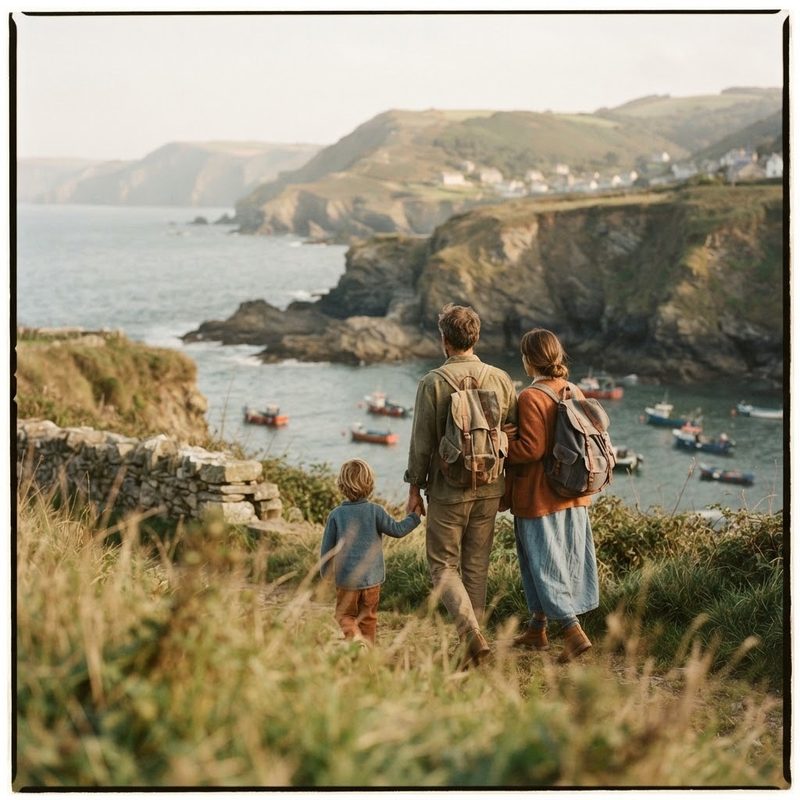
Choosing a place by how it looks in a photograph is the fastest way to end up with a trip that fights your calendar. Start from the constraints instead, and let the destination fall out of them.
- Window. Fixed dates first. School holidays and passport validity narrow the field more than taste does.
- Flight reality. Count the actual hours door to door, including the connection, and ask whether the youngest traveler can do it twice.
- Pace. Decide whether you are moving between bases or staying in one place. A trip with two bases and one week is usually a trip with one base.
- Season. Check what the weather does in those specific months, not what it does in general.
What to research, and what to skip
Research has a diminishing return, and families hit it early because the available material is mostly written for adults traveling alone and adapted badly afterward. Read deeply about the three things that determine how the trip feels: where you sleep, how you move between places, and what a realistic day contains. Everything else can be decided on the ground.
Skip the exhaustive attraction lists. You will not do all of them, and building a plan around doing all of them is what makes day three fall apart.
The signals that research has stopped helping
Recognize these early, because they mean the problem is no longer information.
- The same hotel appears in four tabs and you have read every review twice.
- You have been planning this trip for more than six months and nothing is booked.
- Every article you open contradicts the one before it.
- You cannot tell whether the plan works for your children's actual ages.
- You keep delaying booking because you are not confident in the decision.
Any two of those together means the bottleneck is judgment, not research, and more reading will make it worse rather than better.
How to use a destination guide without copying it
Guides are written for a trip that already exists, and the mistake is reading them as a shopping list. Read them as a source of constraints instead: how long the drive from the airport really takes, which coast gets rain in which months, which town is the right base for the ages you are traveling with.
Pull three things out of every guide you read. The first is a timing note, because it changes which dates are even worth considering. The second is a distance or duration, since those decide whether an itinerary is honest. The third is one thing the writer explicitly skipped, which is usually the most useful line in the piece.
Then stop. Six to eight good sources across two destinations is enough to build a plan. Beyond that you are reading opinions rather than gathering facts, and the returns go negative once two articles disagree and you cannot tell which one reflects this season.
The four documents I keep for every trip
They are unglamorous and they are the reason nothing gets lost between six people and three devices.
- One confirmation file. Every booking, in one place, with the reference numbers that are actually asked for at a desk. Screenshots count, as long as they are all in the same folder.
- One day-by-day page. Written in plain language, editable, shared with whoever else is holding the plan. Not a spreadsheet, because spreadsheets stop being updated the moment someone is tired.
- One logistics list. Transport between stops, check-in windows, the things that need asking for before arrival rather than after it.
- One backup note. For the day most likely to break: the museum instead of the hike, the indoor option instead of the boat, the restaurant that takes a reservation at short notice.
The last one is the document people never build and always wish they had. It takes ten minutes on a quiet evening and it converts a ruined weather day from a decision into a plan you already made.
Keep all four in one shared place, because the failure mode is not forgetting the document, it is having three versions of it on three phones. One file, one link, updated in place. When someone asks where you are staying on the Thursday, the answer should take ten seconds rather than a search through a message thread, and that difference is what keeps the plan from fragmenting across six people the moment the trip starts moving.
When to hand it off
Handing over the work makes sense when the trip has several moving parts, when the dates cannot flex, or when the cost of choosing wrong is high enough that you want someone who has seen it go wrong before. It also makes sense when planning has started to crowd out the part everyone was looking forward to.
What you get in exchange is a route built around your family's ages and pace, hotel picks with honest notes about what works with children, flight routing and bookings handled in one place, and a person to call when something changes mid-trip.
The next step
Open a blank page and write the four constraints from the first section. That document is the entire input I need for a first conversation, and it takes twenty minutes to make. Everything after that is downstream of it.